
Introduction
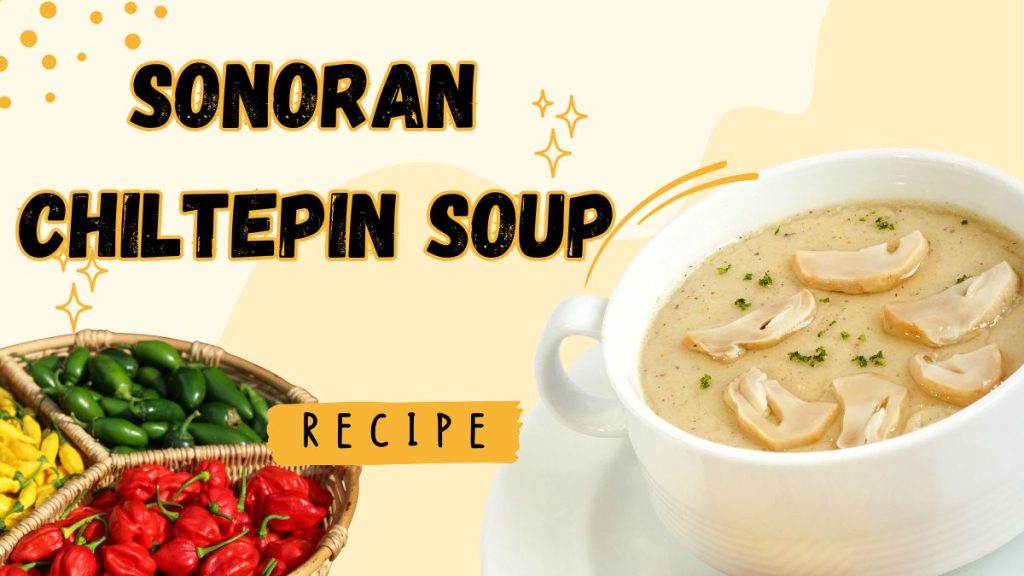
Sonoran Chiltepin Soup stands out as one of the most flavorful dishes in Southwestern cuisine. This traditional recipe combines rich broth, fresh vegetables, and the distinctive heat of Chiltepin chiles. At the heart of Sonoran cooking lies a respect for local ingredients, simple preparation methods, and bold flavors that reflect the desert landscape.
In my experience, regional recipes often tell a story about culture and history. This soup does exactly that. Every spoonful highlights generations of culinary traditions that continue to shape modern Sonoran kitchens. The dish balances warmth, spice, and comfort without relying on complicated techniques.
Origins of the Famous Desert Pepper
The tiny chiltepin pepper grows wild throughout parts of northern Mexico and the American Southwest. Many people call it the “mother of all peppers” because it represents one of the oldest wild pepper varieties still harvested today. Local communities have used these peppers in cooking for centuries.
Unlike cultivated peppers, wild chiltepins develop a unique flavor profile. They deliver quick heat followed by a subtle smoky taste. Many cooks collect Chiltepin pepper seeds to grow their own plants and preserve this important culinary tradition. The pepper remains a symbol of Sonoran heritage and regional pride.
A Traditional Southwestern Favorite
The popularity of Sonoran Chiltepin Soup continues to grow among food enthusiasts who appreciate authentic Southwestern recipes. Chiltepin chiles provide the signature flavor that sets this dish apart from ordinary spicy soups. Their intense yet clean heat enhances every ingredient without overpowering the overall taste.
I discovered that many traditional families prepare this soup during cooler months, but they enjoy it throughout the year as well. The recipe adapts easily to different preferences while maintaining its authentic roots. That flexibility helps explain its lasting appeal across generations.
What Makes Chiltepin Peppers Unique
Several characteristics make chiltepin peppers different from other chili varieties:
- Small, round shape
- Bright and intense heat
- Slightly smoky flavor
- Wild-growing nature
- Rich cultural history
Many food lovers compare Chiltepin vs habanero when discussing heat levels. Habaneros often provide a lingering burn, while chiltepins create a sharp burst of heat that fades more quickly. This distinction makes chiltepins especially suitable for soups and broths.
Their Role in Regional Cooking
Sonoran cooks use chiltepins in sauces, stews, marinades, and soups. The peppers add complexity without dominating other flavors. Traditional recipes often combine them with tomatoes, onions, and herbs to create balanced dishes that celebrate local ingredients.
When exploring Southwestern cuisine, I noticed that people frequently pair spicy meals with refreshing options like Lemon Ginger Tea. The contrast between spice and citrus creates a satisfying dining experience that highlights the strengths of both dishes.
Essential Ingredients You’ll Need
Authentic versions of Sonoran Chiltepin Soup rely on simple ingredients that work together beautifully. Most recipes include:
- Chiltepin peppers
- Chicken or vegetable broth
- Potatoes
- Tomatoes
- Onion
- Garlic
- Fresh herbs
- Olive oil
These ingredients create a hearty soup that feels both rustic and refined. Quality matters more than quantity. Fresh produce and carefully selected peppers contribute significantly to the final flavor.
Selecting the Best Peppers
Fresh or dried chiltepins both work well in soup recipes. Fresh peppers offer brighter flavor, while dried peppers provide deeper, concentrated heat. Look for peppers with vibrant color and consistent size.
If you plan to grow your own supply, Chiltepin pepper seeds offer an excellent starting point. Many home gardeners appreciate the challenge and reward of cultivating this historic pepper variety in suitable climates.
Additional Ingredients for Authentic Flavor
Many cooks customize their recipes with regional ingredients. Some add roasted vegetables, while others include shredded chicken or beans. Potatoes often appear in traditional versions, creating a texture similar to Sonoran potato soup while maintaining the signature pepper flavor.
I also enjoy adding seasonal vegetables for extra depth. Fresh Green Beans contribute color and texture without distracting from the soup’s primary flavors.
How to Prepare the Ingredients
Preparation remains straightforward. Dice the onions, tomatoes, and potatoes into uniform pieces. Mince the garlic finely. Crush or lightly grind the chiltepin peppers to release their flavor throughout the broth.
Organized preparation simplifies the cooking process. Gathering ingredients before cooking helps maintain consistency and allows flavors to develop naturally during each stage of the recipe.
Step-by-Step Cooking Instructions
Building the Flavor Base
Heat olive oil in a large pot. Add onions and cook until translucent. Stir in garlic and tomatoes. Allow the vegetables to soften while releasing their natural sweetness. This foundation supports the soup’s complex flavor profile.
Add the crushed chiltepin peppers and stir carefully. Their aroma develops quickly, creating the distinctive character associated with authentic Southwestern cooking.
Simmering the Soup to Perfection
Pour in the broth and add potatoes. Allow the soup to reach a light simmer, then lower the temperature to continue cooking slowly. Simmer until the potatoes become tender and the flavors blend completely.
At this stage, Sonoran Chiltepin Soup develops its signature balance of heat and richness. Regular stirring ensures even cooking and prevents ingredients from sticking to the bottom of the pot.
Final Seasoning and Garnishing
After tasting the soup, adjust the seasoning as necessary. Fresh herbs, lime juice, and additional chiltepin peppers can enhance the final result. Add the finishing toppings right before serving to maintain their fresh flavor and attractive appearance.
Many diners enjoy finishing the soup with Cotija Cheese. The cheese adds a salty, creamy element that complements the peppery broth beautifully.
Nutritional Benefits of Chiltepin Peppers
Vitamins and Minerals
Chiltepin peppers contain valuable nutrients that support overall wellness. They provide vitamins, antioxidants, and plant compounds that contribute to a balanced diet. Combined with vegetables and broth, the soup offers both flavor and nutrition.
The recipe also delivers fiber, minerals, and hydration. These qualities make it a satisfying meal choice for many dietary preferences.
Potential Health Advantages
Many people appreciate spicy foods because they encourage variety in healthy eating habits. Chiltepin peppers may support metabolism and provide antioxidant benefits. While no single food guarantees specific health outcomes, nutrient-rich ingredients contribute positively to balanced nutrition.
For protein-focused meals, some readers may enjoy pairing this soup with Protein Hash. The combination creates a hearty meal that supports active lifestyles and varied nutritional needs.
Tips for Controlling the Heat Level
Not everyone enjoys the same spice level. Fortunately, this soup allows easy adjustments.
- Use fewer peppers for mild heat
- Add extra broth to dilute spice
- Include potatoes for balance
- Serve with dairy-based toppings
- Introduce peppers gradually
I recommend starting conservatively. You can always add more heat later, but reducing excessive spice proves much more difficult.
Common Mistakes to Avoid
Several mistakes can affect the final result. Avoid adding too many peppers at once. Excessive heat can overwhelm the broth and mask the soup’s natural flavors.
Another common mistake involves rushing the simmering process. Slow cooking allows ingredients to blend properly. Patience creates a more balanced and satisfying dish. Similar principles apply when preparing recipes like Ina Garten Chicken Salad, where ingredient harmony matters just as much as technique.
Best Side Dishes to Serve with This Recipe
The soup pairs well with a variety of complementary foods. Consider serving it alongside:
- Warm tortillas
- Cornbread
- Fresh salads
- Roasted vegetables
- Rice dishes
For those who enjoy creative flavor combinations, a light snack featuring peanut butter and fruit can provide a surprisingly pleasant contrast after a spicy meal.
Storage, Freezing, and Reheating Tips
Transfer any remaining soup to sealed containers and place it in the refrigerator soon after it cools. Proper storage helps maintain flavor and texture for several days. To maintain the ingredients’ integrity, reheat slowly over medium heat.
The soup also freezes well. Divide it into portions before freezing for convenient future meals. This approach reduces waste and saves preparation time.
Popular Variations and Creative Twists
Modern cooks often experiment with traditional recipes. Some add roasted corn, while others include shredded meats or extra vegetables. These adjustments create new flavor experiences while respecting the dish’s origins.
Food enthusiasts who enjoy recipes such as Easy Chicken Tortilla Soup or even rich creations inspired by Serious Eats cheese soup often appreciate the versatility of this Southwestern favorite. Each variation highlights different aspects of comfort-food cooking while preserving authenticity.
FAQs
Conclusion
Sonoran Chiltepin Soup represents more than a spicy recipe. It reflects centuries of culinary heritage, regional pride, and respect for local ingredients. The distinctive heat of Chiltepin chiles transforms a simple soup into a memorable dining experience.
In my experience, the best traditional dishes combine history, flavor, and simplicity. Sonoran Chiltepin Soup accomplishes all three. Whether you prepare it for a family dinner or feature it on a specialty menu, this Southwestern classic delivers warmth, character, and unforgettable taste.