
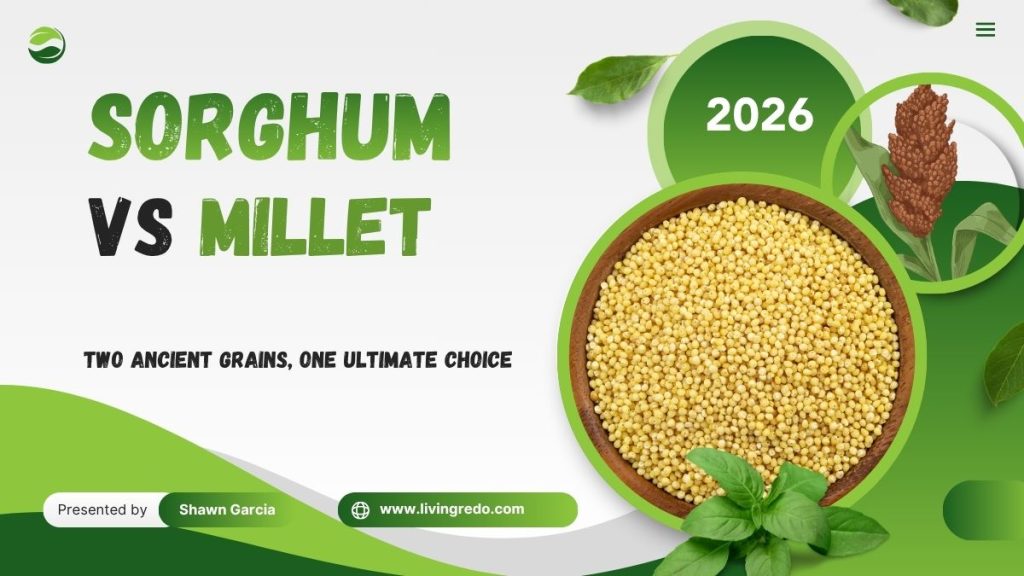
Sorghum vs Millet
Ancient grains are making a massive comeback on our dinner plates. As a passionate advocate for clean eating, I spent years tracking how traditional foods impact modern health. People constantly ask me about the real differences between traditional cereal crops. Two names always dominate the conversation. Today, I will dive deep into Sorghum vs Millet to help you understand which grain deserves a permanent spot in your pantry.
Historically, these resilient crops sustained civilizations across Africa and Asia for thousands of years. I discovered that both grains offer incredible health benefits, but they serve completely different purposes in the kitchen. Understanding their unique traits will transform your daily meal planning. Let us break down their botanical traits, nutritional strengths, and culinary uses.
Introduction to Ancient Grains
When I first started replacing processed wheat flour, I felt overwhelmed by the options. Sorghum belongs to the Poaceae grass family. It grows as a tall crop, looking very similar to cornfields from a distance. Farmers love it because it survives harsh droughts where other plants wither away.
Millets represent a broader group of small-seeded grasses rather than a single plant. This category includes pearl millet, finger millet, and foxtail millet. In my experience, these crops act as nature’s insurance policy against climate change. Both options give health-conscious consumers an excellent break from heavily modified modern wheat.
Sorghum vs Millet: The Core Differences
Botanical Origins and Appearance
Size matters when you look at these two grains side by side. Sorghum grains are relatively large, round, and usually feature a white, yellow, or deep red hue. They look remarkably like unpopped popcorn kernels.
In contrast, millets are tiny, miniature spheres. Depending on the specific variety, they range in color from pale yellow to deep brown. I noticed that this size variance changes how they absorb water during the cooking process.
Taste and Texture Profile
Flavor profiles set these two ancient powerhouses apart instantly. Sorghum offers a mild, slightly sweet flavor with a very neutral undertone. This neutral profile makes it an incredible chameleon in the kitchen. It absorbs the spices of any dish you create.
Millets deliver a distinctly earthy, nutty flavor. When you toast millet seeds before boiling them, they fill the kitchen with a rich, popcorn-like aroma. The cooked texture of millet is often fluffier, resembling couscous or quinoa.
Nutritional Value: Comparing Both Grains
Protein and Fibre Content
If you want to boost your macronutrients, analyzing Sorghum vs Millet reveals fascinating details. Sorghum packs a powerful punch of dietary fiber, which slows down digestion beautifully. I regularly enjoy a hearty grain bowl for lunch, often pairing it with a fresh Garten Chicken Salad to create a highly satisfying, protein-packed meal.
Millets shine brightly when it comes to plant-based protein content. Certain varieties of millet contain higher levels of essential amino acids than standard cereal grains. The dense fiber matrix in both grains keeps your gut bacteria incredibly happy and healthy.
Vitamins and Minerals
Micronutrients are where these ancient seeds truly show their power. Sorghum contains exceptional amounts of copper, magnesium, and iron. Additionally, it has a high concentration of antioxidants, especially polyphenols, which reduce inflammation within cells.
Millets counter this by offering massive doses of calcium and phosphorus. Finger millet, for instance, contains three times more calcium than milk. Incorporating these mineral-dense grains into your weekly routine supports strong bones and steady daily energy levels.
Glycemic Index and Diabetes Management
Managing blood sugar requires choosing carbs that do not cause sudden glucose spikes. Sorghum has a low-to-moderate glycemic index because its complex carbohydrates break down slowly. This steady release prevents the dreaded afternoon energy crash.
Millets perform equally well, if not better, for glucose control. The high magnesium content in pearl millet improves insulin sensitivity significantly. I love drinking a warm mug of Lemon Ginger Tea alongside a millet-based breakfast to keep my metabolism perfectly balanced all morning.
Culinary Uses: How to Cook with Both Grains
Best Ways to Use Sorghum Flour
Sorghum flour is my absolute favorite secret weapon for gluten-free baking. Because it behaves similarly to wheat flour, you can use it for pancakes, muffins, and flatbreads. It creates a smooth batter without the gritty texture common in other alternative flours.
You can even pop whole sorghum kernels just like corn. These tiny, popped white pearls make an excellent, crispy snack. I often season them with sea salt and a pinch of ground Spicy Chiltepin Chiles for a fiery, antioxidant-rich evening treat.
Traditional and Modern Millet Recipes
Millet offers incredible versatility because you can cook it in two distinct ways. If you boil it with minimal water, it stays separate and fluffy like rice. If you add extra water and simmer it slowly, it transforms into a creamy porridge.
Millet flour makes wonderful, dense flatbreads. I also use whole millet as a crunchy topping for homemade sourdough bread. It adds a delightful rustic texture that elevates any basic baking recipe.
Agricultural Differences and Sustainability
From an environmental standpoint, comparing Sorghum vs Millet highlights two absolute eco-champions. Sorghum develops a massive, deep root system that secures moisture from deep within the earth. This allows the plant to thrive in regions with unreliable rainfall.
Millets possess an incredibly short growing cycle, often maturing in just sixty days. They require minimal synthetic fertilizers and thrive in poor, sandy soils. Choosing either grain supports sustainable farming practices that protect our planet’s precious water resources.
Which Grain Should You Choose?
Your ultimate choice between Sorghum vs Millet depends entirely on your specific lifestyle goals and cooking preferences. If you want a seamless, neutral replacement for wheat flour in delicate baking, buy sorghum. It mimics traditional flour textures beautifully without ruining your recipes.
If you crave a nutty, texturally distinct grain for breakfast porridges or side dishes, choose millet. Its high mineral content makes it a nutritional superstar for growing children and athletes. I highly recommend keeping both grains in your pantry to enjoy the full spectrum of their benefits.
FAQS
Conclusion
Embracing the Sorghum vs Millet debate shows that you do not have to choose just one winner. Both ancient crops offer incredible paths toward better health, improved digestion, and sustainable living. This week, try experimenting in your kitchen with these colorful, nutrient-dense grains.