
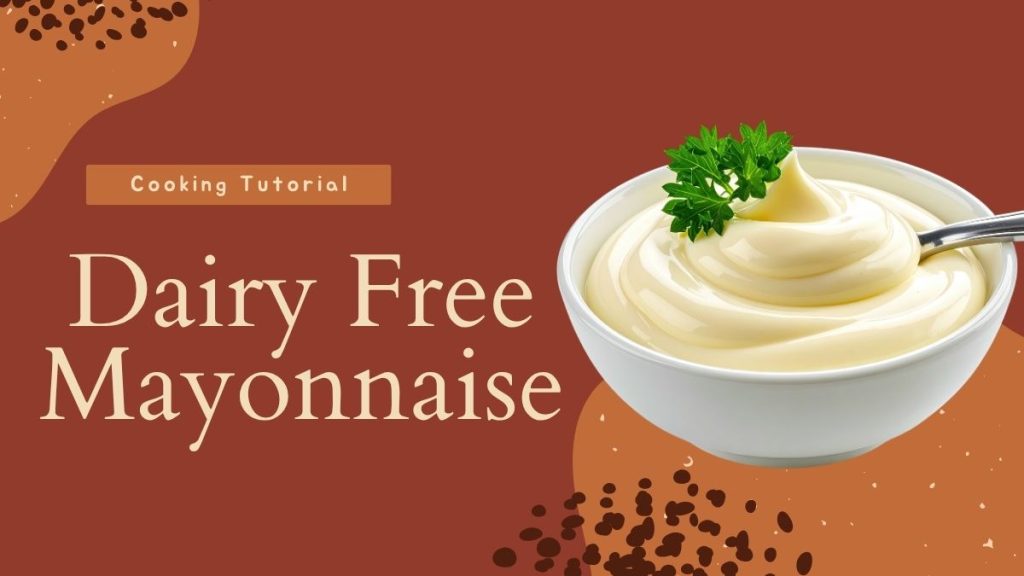
Introduction to Dairy-Free Cooking
In recent years, dairy-free alternatives have become increasingly popular, and for good reason. Whether it’s due to lactose intolerance, dietary preferences, or a desire to explore plant-based options, more quillpeople are seeking alternatives to traditional dairy products. One such versatile staple is mayonnaise, often used in sandwiches, dips, and salads.
Making mayonnaise at home allows you to control the ingredients, flavors, and consistency, creating a healthier option free from artificial additives. For those wondering Does Mayo Have Dairy, homemade versions can ensure that your condiments remain completely plant-based.
What Is Dairy-Free Mayonnaise?
Dairy-free mayonnaise is a creamy condiment made without eggs, milk, or other dairy products. Instead, it relies on plant-based ingredients such as:
- Neutral oils (like sunflower or avocado oil)
- Plant-based milk or aquafaba (chickpea water)
- Acidic materials include lemon juice and apple cider vinegar.
- Seasonings such as mustard, salt, and nutritional yeast
The main difference from traditional mayonnaise is that dairy-free versions avoid both eggs and milk, making them appropriate for people who are lactose intolerant or vegan.
Essential Ingredients You Will Need
Before you start making your own mayonnaise, it’s important to gather all necessary ingredients:
- Oil: Choose a neutral-flavored oil like sunflower, grapeseed, or avocado oil for a smooth taste.
- Acid: Lemon juice or apple cider vinegar adds tanginess and helps emulsify the mixture.
- Base: Plant-based milk or aquafaba serves as the liquid base for blending.
- Flavor Enhancers: Dijon mustard, garlic, or nutritional yeast can elevate the taste.
If you love experimenting with flavors, you can even add herbs, smoked paprika, or a touch of maple syrup. This is similar to how you can combine spreads like Dairy Free Honey Butter for a rich, creamy alternative on toast or sandwiches.
Step-by-Step Guide to Making Mayonnaise at Home
Making mayonnaise at home may seem intimidating, However, if you properly follow the procedures, the process is easy:
1. Prepare Your Ingredients
- Measure your oil, acid, and base ingredients accurately.
- To avoid separation, make sure all ingredients are at room temperature.
2. Blending Process
- Use a blender or food processor for the smoothest results.
- Start by combining the base liquid with mustard and a pinch of salt.
- Add the oil gradually and keep blending until the mixture emulsifies into a thick, creamy consistency.
3. Adjust Flavor and Consistency
- Taste your mayonnaise and adjust salt, acidity, or sweetness as needed.
- For a thicker texture, add more oil gradually. For a thinner sauce, add a little more plant-based milk or water.
4. Storage
- Keep your homemade mayonnaise refrigerated in an airtight container. Usually, it lasts one to two weeks.
Tips to Perfect Your Dairy-Free Mayo
Creating the perfect homemade mayonnaise requires attention to a few common pitfalls:
- Avoid Over-Blending: Excessive blending can make the mayo too thin or separate.
- Slow Oil Addition: Pour oil too fast, and the mixture may break.
- Use Fresh Ingredients: Fresh lemon juice or vinegar ensures a vibrant flavor.
With practice, you’ll get the right texture every time. This versatility also makes it ideal for pairing with breakfast meals like breakfast protein hash, where a creamy, dairy-free topping adds richness without dairy.
Health Benefits of Dairy-Free Mayonnaise
Homemade mayonnaise can offer several health benefits:
- Lower in Saturated Fat: Using plant-based oils reduces unhealthy fats compared to traditional mayo made with eggs.
- Free from Dairy: Ideal for lactose-intolerant individuals or vegans.
- No Artificial Preservatives: Homemade versions are free from stabilizers and additives.
Additionally, if you follow a gluten-free diet, dairy-free mayonnaise is naturally safe for those avoiding Gluten, making it a flexible choice for a variety of dietary requirements.
Creative Ways to Use Dairy-Free Mayo
Once you’ve made your mayonnaise, the possibilities are endless:
- Sandwich Spreads: Add a creamy layer to wraps, burgers, or veggie sandwiches.
- Salad Dressings: Mix with herbs, lemon juice, or vinegar to create tangy, dairy-free salad dressings.
- Dips and Sauces: Combine with sriracha, garlic, or herbs for dipping vegetables or fries.
Pairing with spreads like Dairy Free Honey Butter or incorporating it into smoothies and sauces can elevate meals while keeping them plant-based.
Common Mistakes to Avoid
To ensure your homemade mayonnaise turns out perfect, avoid these common mistakes:
- Overheating Ingredients: Oils or liquids that are too warm can prevent proper emulsification.
- Rushing the Oil: Adding oil too quickly may cause separation.
- Skipping Acid: Acid like lemon juice or vinegar is crucial for both flavor and texture.
FAQs
Conclusion
Homemade mayonnaise is a simple, versatile, and healthier alternative to store-bought versions. You can make a creamy, plant-based condiment that works well with many different recipes by managing the flavours and ingredients. Anyone may become an expert at making dairy-free mayonnaise by following the instructions and advice in this guide.
Experiment, enjoy, and remember that small tweaks can make a big difference in texture and taste. Whether it’s topping your breakfast protein hash or pairing with sandwiches, this creamy condiment will quickly become a staple in your kitchen.